

The digital landscape of church giving has undergone a quiet but profound shift. What began as a tool to facilitate generosity in a digital age has, in many cases, evolved into a “targeted financial vertical” with billions of dollars flowing into private equity firms and for-profit corporations; focused more on ROI and monetization than on the advancement of the Gospel.
For the modern church leader, stewardship is no longer just about how the budget is spent; it is about how the tithe is handled before it even reaches the church’s bank account. When it comes to giving platforms, we should heed Jesus’ warning that we cannot serve God and money.
The Problem of the Digital “Money Changer”
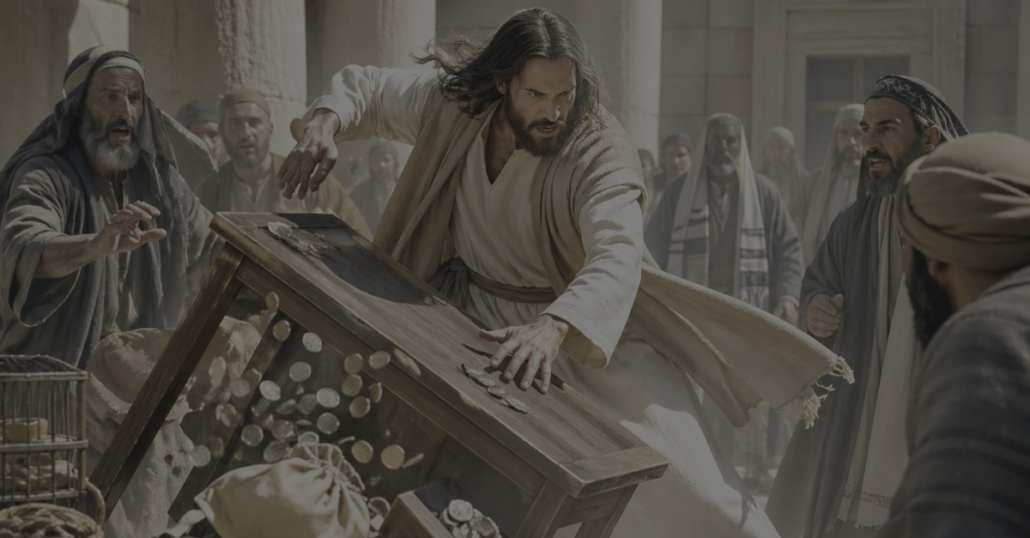
In the Gospels, Jesus’ most visible act of public disruption occurred in the temple courts. He flipped the tables of the money changers not because commerce was inherently evil, but because a sacred act of worship—the exchange of currency for sacrifice—had become a point of exploitation.
Today, a similar dynamic exists. Many giving platforms operate as “digital toll booths,” layering high vendor markups on top of standard processing fees. While a 1% or 2% markup may seem negligible, for a church with a multimillion-dollar budget, this translates to tens of thousands of dollars diverted from ministry—missionaries, community outreach, and local discipleship—into private wealth.
Furthermore, many giving vendors refuse to release the information about their church members if a church decides to switch platforms. By holding recurring donor data hostage, these companies create a “moat” that prevents churches from seeking better stewardship. This turns a donor’s spiritual commitment into a technical asset owned by a vendor.
The Villa Deus Solution: Mission-First Technology
Villa Deus was founded to dismantle these barriers. Its mission—“More Impact, Less Cost”—is a direct response to the call for renewed stewardship in the digital temple. The vision is simple: technology should serve the Church, not unfairly profit from it.
Villa Deus operates on three core pillars that align with the highest standards of financial integrity:
- Radical Fee Transparency: In an industry known for “teaser rates” and hidden markups, Villa Deus provides transparent, ministry-focused pricing. By offering credit card processing at 1.88% + $0.30 and ACH payments at a flat $0.30 (0%), they eliminate the percentage-based skim on bank transfers that serves as a primary profit driver for secular competitors.
- Guaranteed Vault Portability: Rejecting the “hostage” model, Villa Deus explicitly commits to releasing stored payment methods if a church ever chooses to move to another provider. This ensures that the relationship between the church and the giver remains sacred and under the church’s control.
- Maximum Ministry Impact: By reducing overall giving costs by an average of 35%, Villa Deus ensures that every dollar saved is a dollar released back into the mission.
A Call to Discernment
As stewards of God’s resources, church leaders are called to be “reliable and prove faithful” (1 Corinthians 4:2). This requires a move away from passive acceptance of industry norms toward active discernment.
Protecting the tithe means insisting on platforms that prioritize mission over margin. When the Church regains control of its technology and its data, it doesn’t just cut costs; it restores the integrity of the giving experience. The goal is clear: to ensure that the altar belongs to God, and that every gift given in faith reaches its intended purpose without being diminished by unnecessary systems.
Stewardship is a matter of integrity, not strategy. By aligning with tools that honor the giver and the mission, the Church can finally flip the tables on exploitation and focus on what matters most: advancing the Kingdom.
About the Authors
Michael Yerkovich is the founder of VillaDeus and has spent decades serving churches through payment technology. He previously led the development of digital giving at Subsplash, where his passion for helping churches steward generosity faithfully first took shape.
Thomas Osborn –founder of DiscipleIQ, co-founder of AI&Faith, and an advisor across a portfolio of technology ventures that encourage and enhance discipleship (and formal leadership roles at JPMorganChase, Deloitte, Pathwright, Logos, Subsplash, etc.).